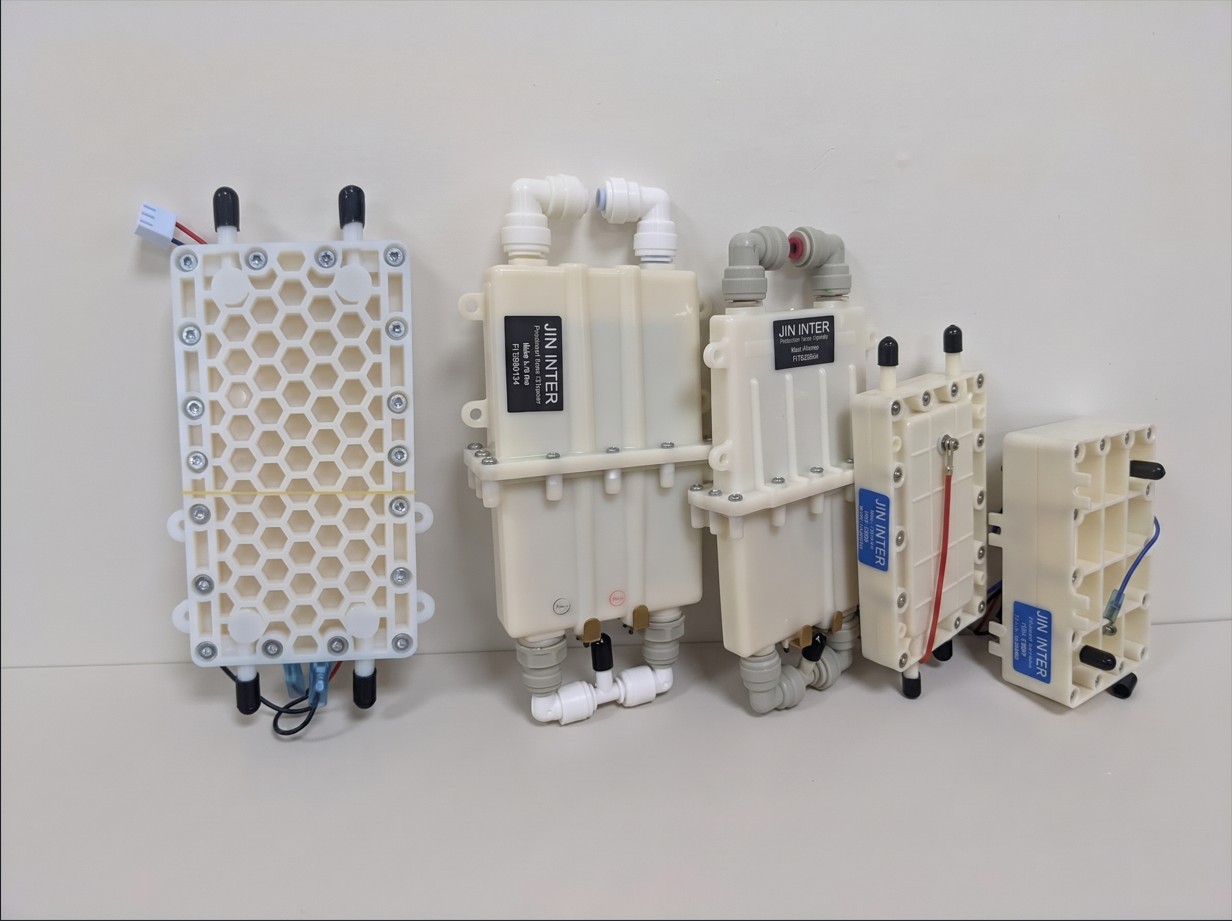
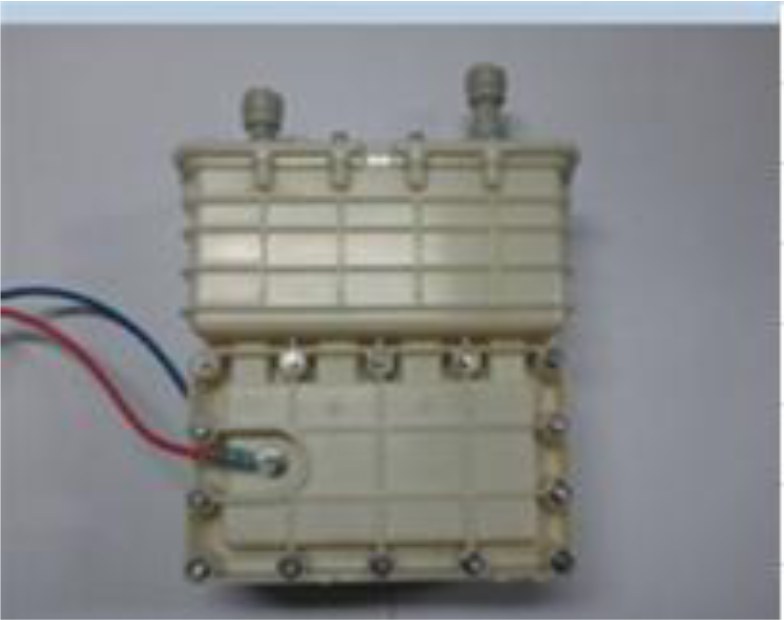
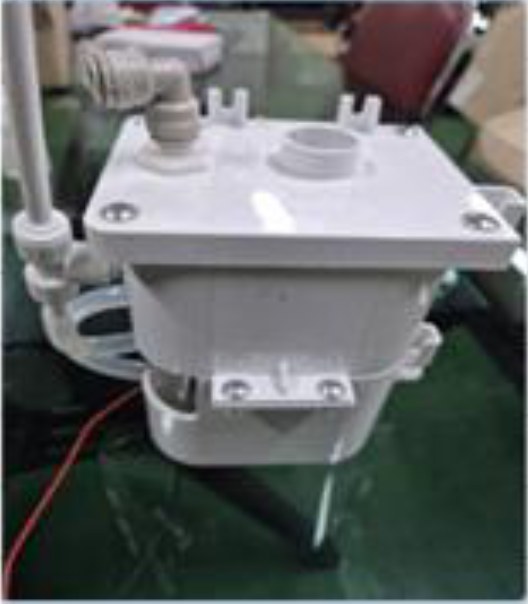
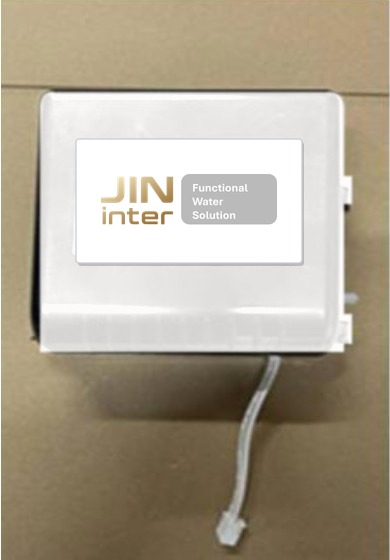
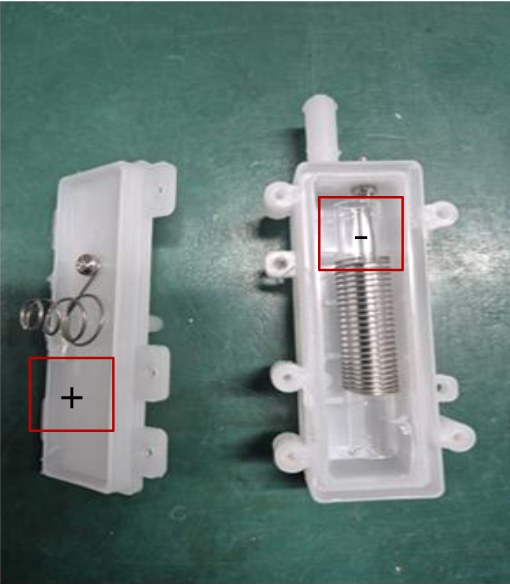
Electrolysis type
- Operating condition: DC 5V / 2-3A
- Additional devices: diaphragm pump and UF membrane
- Advantage: safer and much less smell than the plasma type.
- Consideration: higher cost, because of the reservoir and the additional devices.
Electrolysis and plasma oxygen generator modules, and an ozone generator module for water purifiers and home appliances.
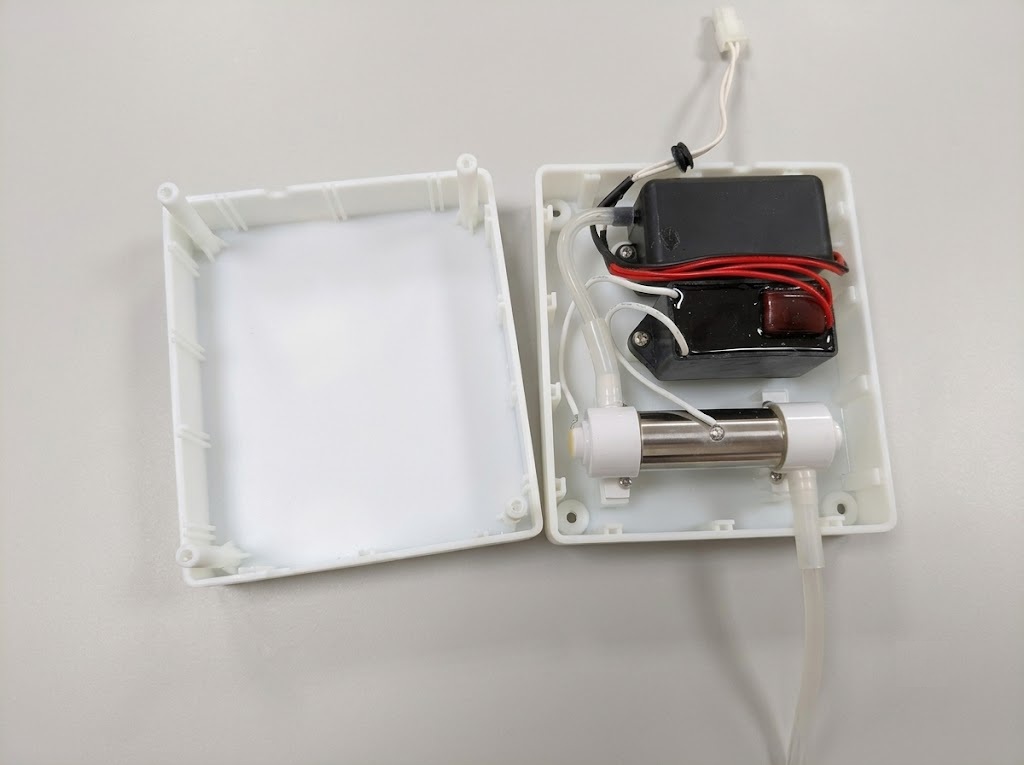
JIN INTER offers oxygen generator modules based on electrolysis and plasma technology, and a compact ozone generator module for sterilization and odor removal. The right technology depends on the cost, safety and smell requirements of your product.
Download specification (PDF)Electricity passed through water breaks water molecules down into hydrogen gas (H₂) and oxygen gas (O₂).
Oxygen concentration30 - 80 ppm
Pressure Swing Adsorption: air is compressed and nitrogen is separated by zeolite, which extracts oxygen. Used in medical oxygen tanks.
Oxygen concentration30 - 40 ppm
A polymer membrane separates nitrogen and oxygen. Used in air purification.
Oxygen concentration30 - 40 ppm
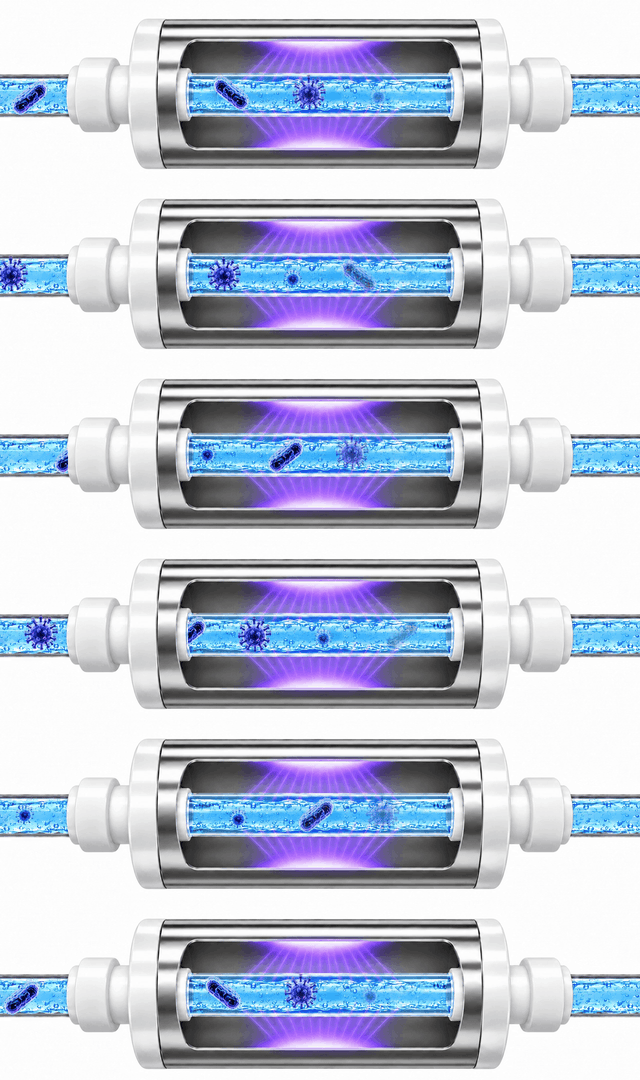
Low-pressure plasma: energy supplied to gas molecules through an electric field separates them into ions and electrons, forming a plasma. Closer to ozone generation than oxygen generation, it is mainly used for sterilization: air purification and odor removal, drinking water treatment, industrial wastewater treatment and food preservation.
Oxygen concentration30 - 40 ppm
Electrochemical oxidation with diamond-coated electrodes. Water is oxidized at the electrode surface, forming oxygen and strong oxidants. The electrode material is premium and costly, so this method is offered on customer request.
Oxygen concentrationPer project
Diamond-coated electrode
| Electrolysis type | Plasma type | EOP type | |
|---|---|---|---|
| Principle | Water split into H₂ and O₂ | Plasma formed in gas by an electric field | Electrochemical oxidation at diamond-coated electrodes |
| Operating condition | DC 5V / 2-3A | Air pump and plasma module | Specified per project |
| Additional devices | Diaphragm pump, UF membrane | Ozone removal filter (e.g. zeolite) | Specified per project |
| Smell and safety | Safer, much less smell | High ozone output, ozone must be removed | May form ozone, ozone recovery recommended |
| Relative cost | Higher | Lower | Highest |
| Operating conditions | Room temperature |
|---|---|
| Material | Metal + plastic |
| Input voltage | 110 V / 220 V |
| Output voltage | 3.5 kV |
| Power consumption | 10 W |
| Operating frequency | 11 kHz |
| Ozone output | 500 mg/h |
| Dimensions | 170 x 120 x 60 mm |
| Weight | Approx. 249 - 254 g (8.78 - 8.96 oz) |
| Feed gas | Ambient air |
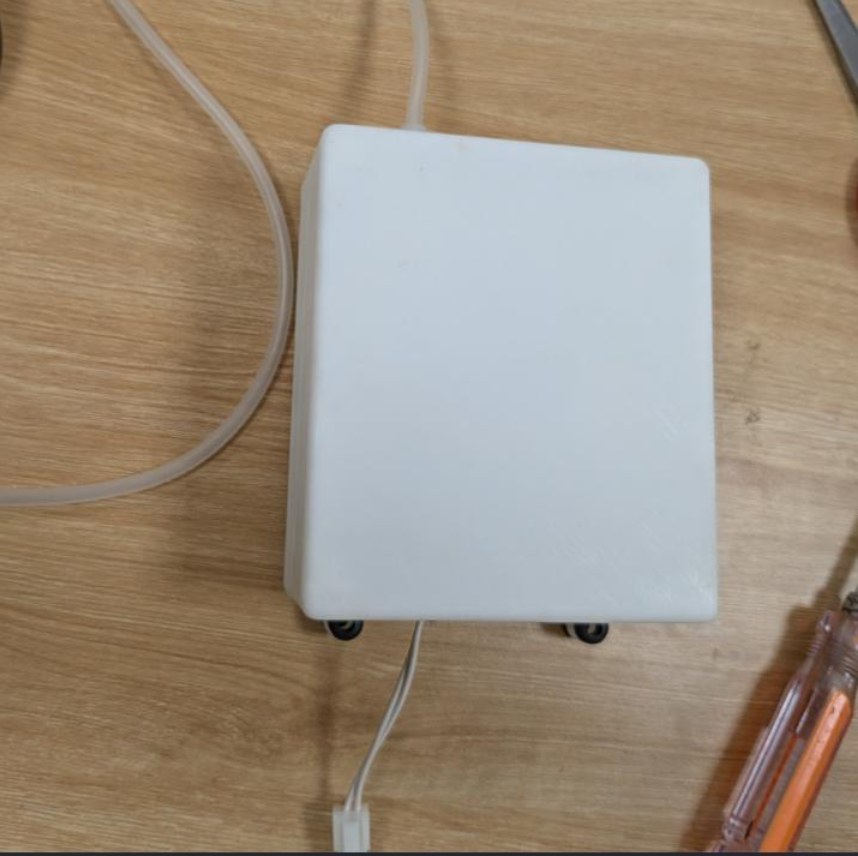
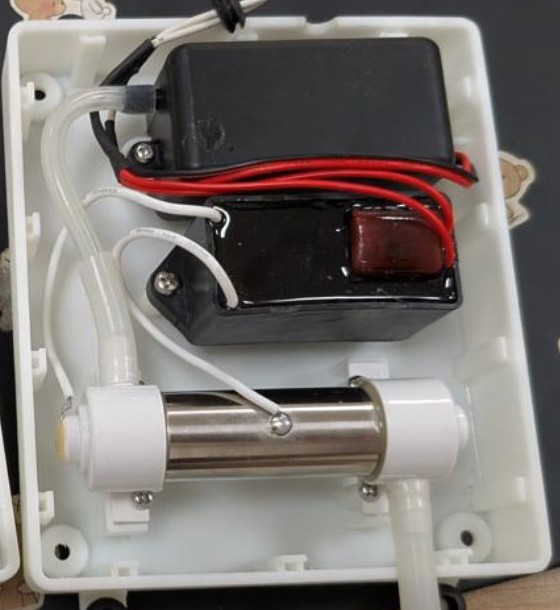
Quartz tube (ozone discharge tube), PCB module (high-voltage driver board), air pump, housing.
With adequate cooling, it can run continuously for about 4 hours at an ambient temperature not exceeding 35 °C. A typical operating cycle is 30 minutes.
Food processing
Process water, production and packaging areas, tool sterilization
Beverage
Purified water, mineral water and beverage production
Fruit and vegetable processing
Processing, storage and preservation
Cold storage
Shelf-life extension for produce, grains, eggs, meat and seafood
Pharmaceutical
Process water, HVAC systems, sterile rooms
Drinking water
Deep well, municipal and rural supply
Public facilities
Air purification in hotels, restaurants, schools and cafés
Other
Water, sewage and wastewater treatment, swimming pools, air purification
When ozone is bubbled into water, for example in a water purifier, the product must include a mechanism that recovers the excess ozone afterwards. Ozone that is not dissolved must never be taken in directly by the user, whether as gas or as residual ozone in the drinking water.
Recover the excess ozone. Route the gas leaving the bubbling stage through an ozone removal stage, such as a zeolite filter, before it is released.
Protect the drinking water outlet. Make sure ozone gas cannot be carried into the dispensed water, and that residual ozone in the water is removed or allowed to decay before the water is dispensed.
Prevent backflow. Fit a check valve between the ozone generator and the water so that water cannot flow back into the generator.
Use ozone-resistant materials. Select tubing, fittings and seals that resist ozone, for example PTFE, silicone and stainless steel.
Keep the gas path sealed and ventilated. Avoid leaks inside the appliance and ventilate the enclosure.
Respect the operating limits. Use a typical 30 minute operating cycle. Continuous operation of about 4 hours needs adequate cooling and an ambient temperature not above 35 °C.
Verify and comply. Test the ozone level at the outlet and in the surrounding air, and follow the regulations of the target market.
The same ozone removal requirement applies to plasma type oxygen generators, which produce much more ozone than oxygen.
Contact Mr. Jin-Hye Jeong (Tristan), Head Director.
Contact NowScan the QR code to contact Mr. Jin-Hye Jeong (Tristan)
QR code will be added soon.
+82-10-3674-0903